The Land
2.17 acres in Isinya: the permanent headquarters where the animals return, feed is stored, water is managed, young stock is cared for and the breeding herd is controlled.
The headquarters

A working livestock farm on the plains of Isinya, raising Galla goats, Dorper sheep and cattle around grazing, home grown fodder and a farm designed to grow with its animals.
Tangama Farms is 2.17 acres at Isinya and a herd that goes out every morning and comes home every evening. This is what is running now, what is growing, and what comes next.
The home base the animals return to every evening: water, night housing, feeding, handling and breeding control, on raised, drained ground.
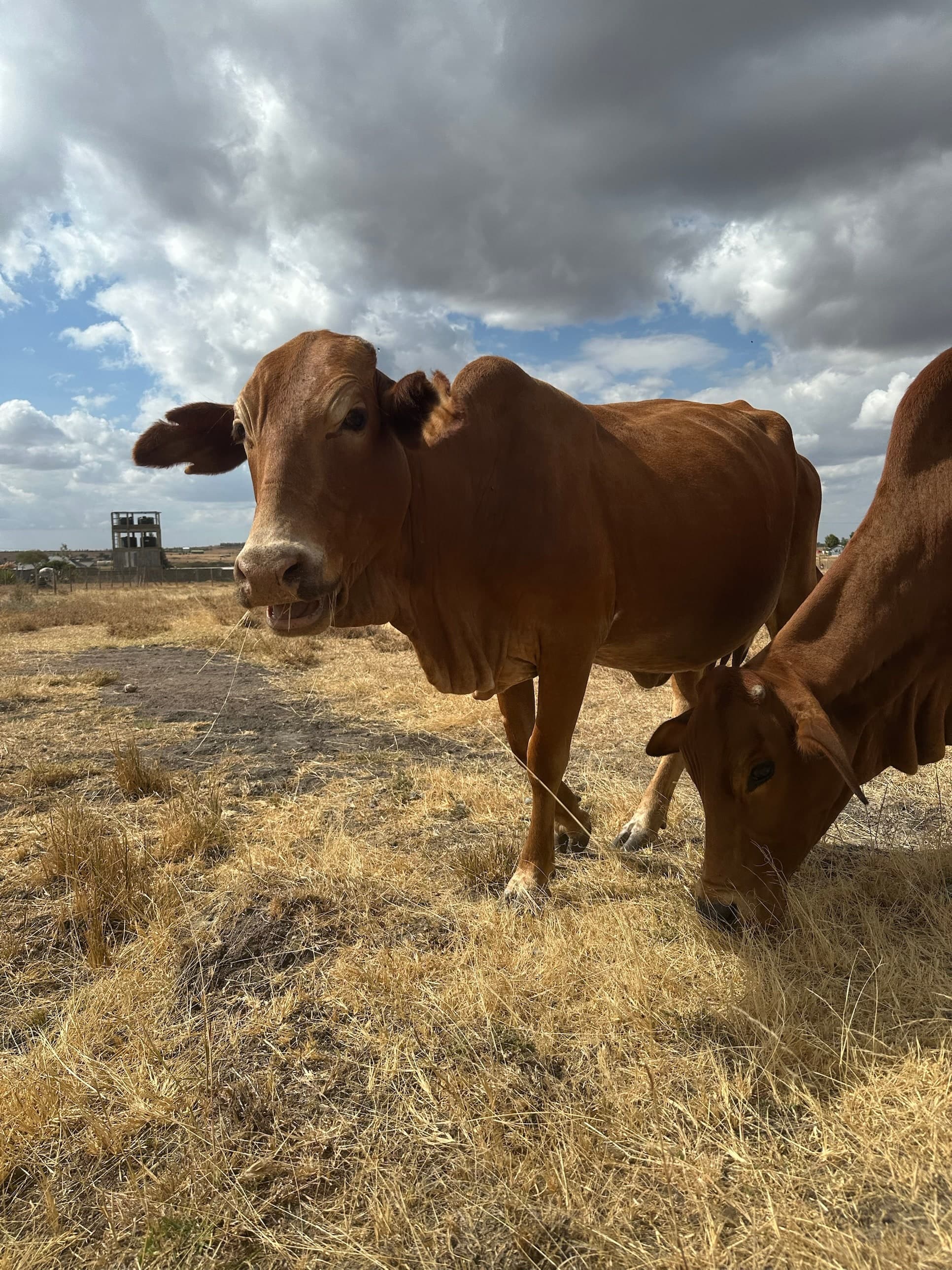
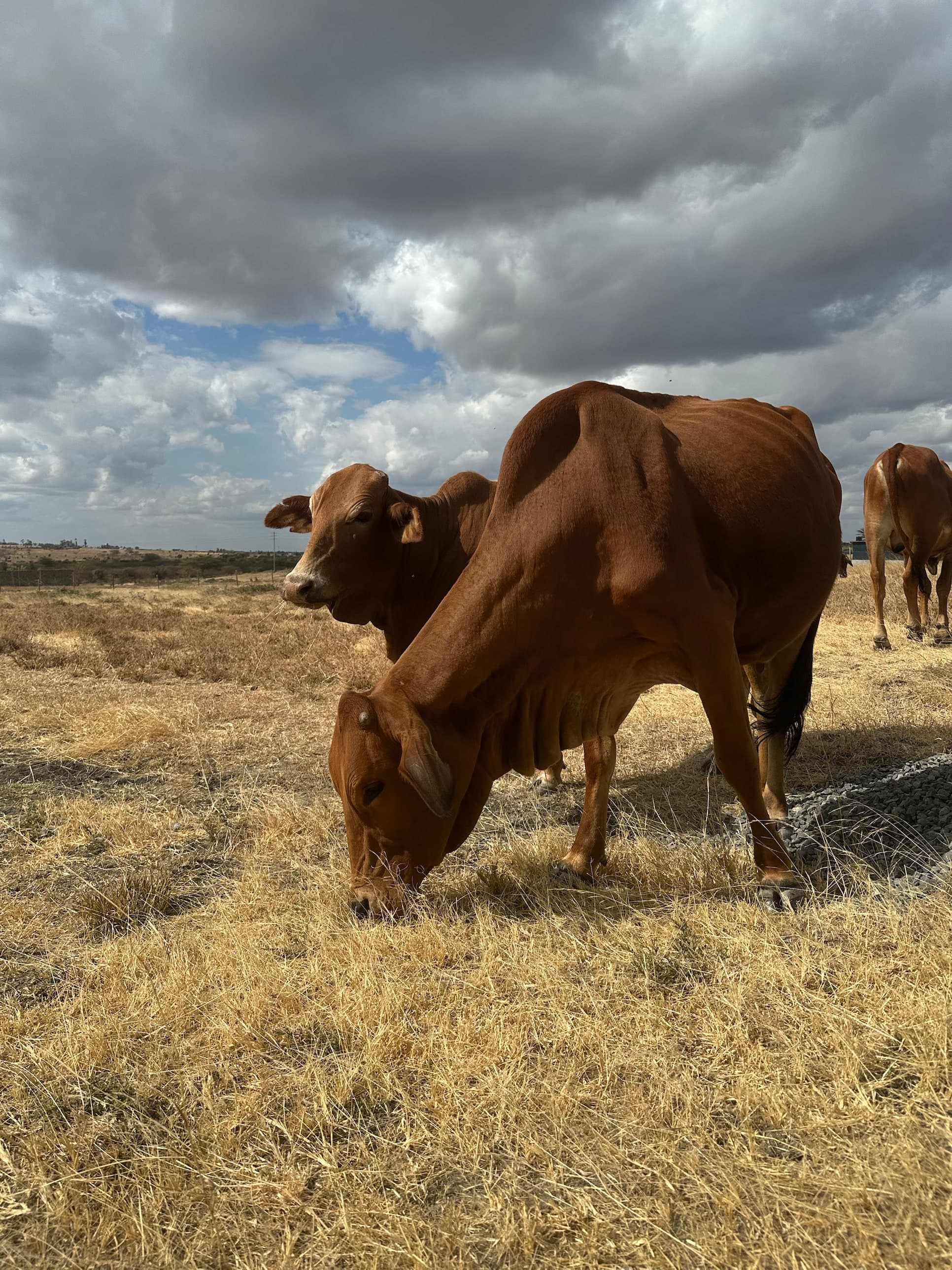
RunningHardy zebu females (Boran and Sahiwal types and their crosses) grazing out by day and home at night, with the best heifers kept to grow the herd.
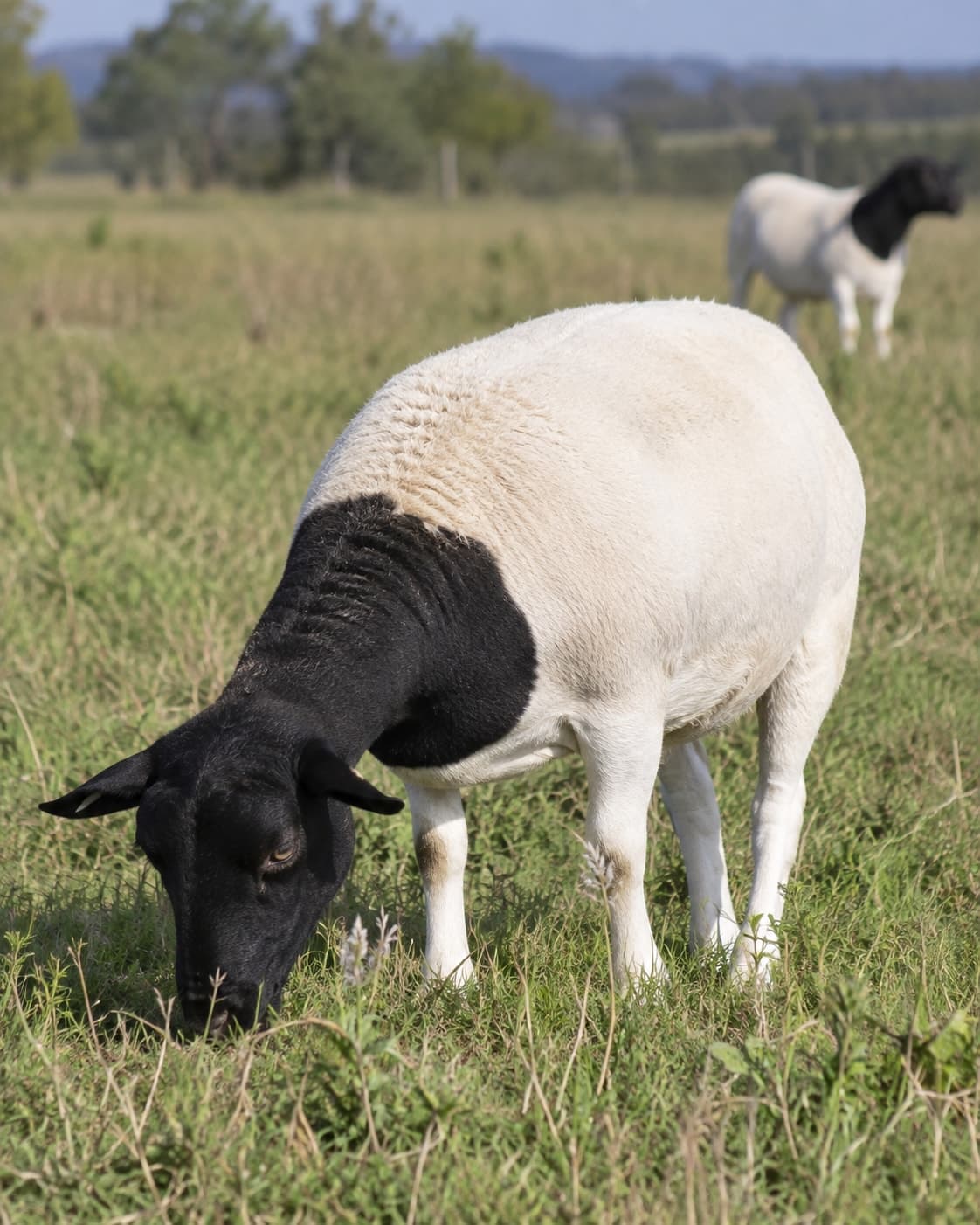
On the farmThe small stock, built up steadily from good breeding females, never faster than the feed allows.
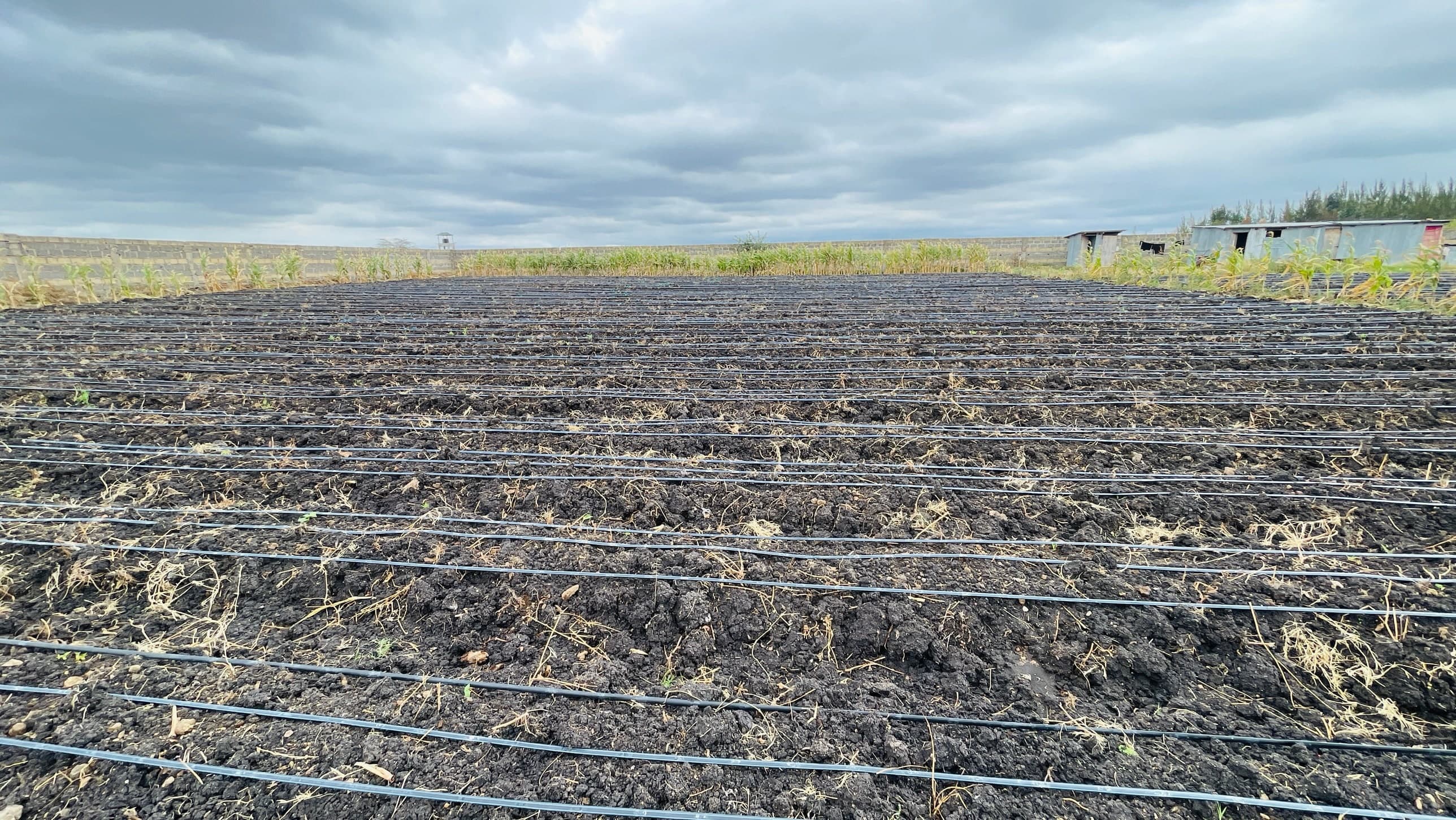
Building upRhodes, Brachiaria and Napier on the home ground, with forage sorghum and legumes alongside. Each wet season’s surplus goes into the store.
GrowingAround ten more acres, bought as a fodder and support farm, then long term leases on fodder blocks as the herd grows into them. The headquarters stays the headquarters.
NextUpdated as the farm changes. If it has not moved in a while, neither has the farm.
Read the field notesThe rule, in three lines
Everything else here follows from that.
How the land fits together
Grow outward from the base. Never ahead of the feed.
2.17 acres · owned
Water, night housing, feed store, young stock and breeding control.
≈ 10 acres · next
To be bought to grow feed and support the base, not to house more animals.
5 to 10 acre blocks · later
Long term leases, added as the herd grows into them.
By day · every day
Grazing and browse off the farm, walked out in the morning and home by evening.
Have ground near Isinya? The farm leases fodder blocks long term.
Talk to us about land2.17 acres in Isinya: the permanent headquarters where the animals return, feed is stored, water is managed, young stock is cared for and the breeding herd is controlled.
The headquarters
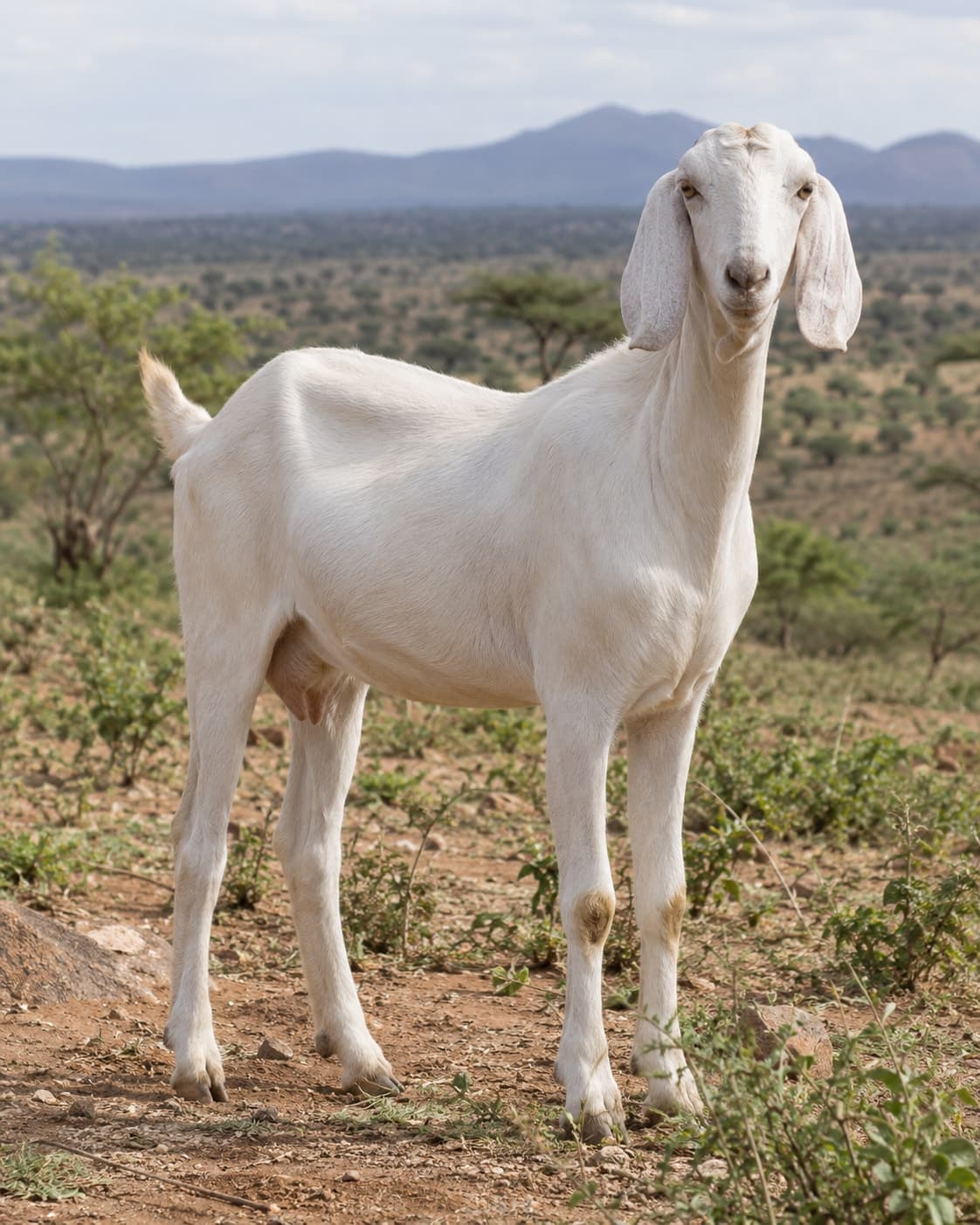
Galla goats, Dorper sheep and hardy cattle, chosen because they walk, browse, breed and hold condition on this ground.
Galla · Dorper · Cattle
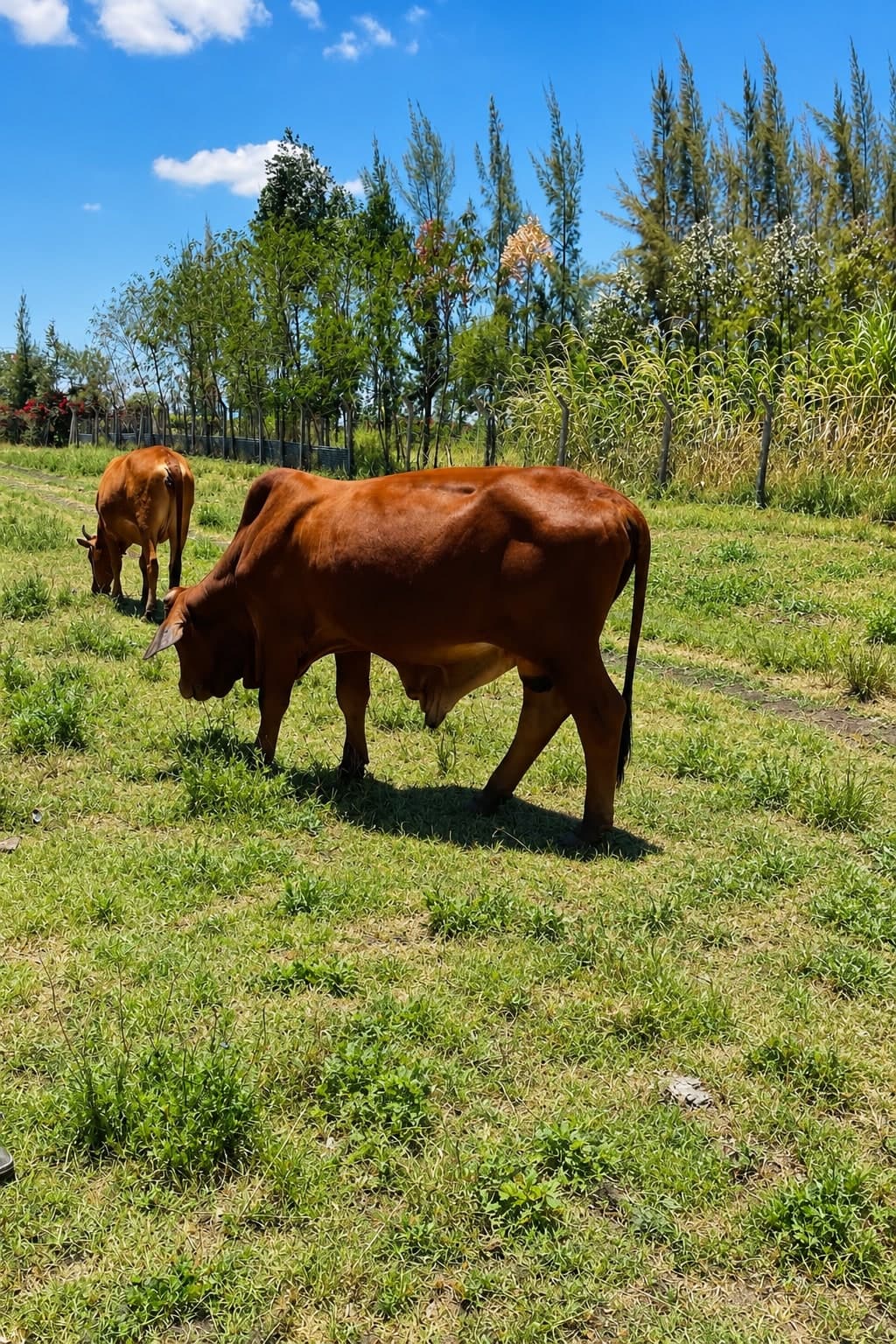
Out to graze and browse by day. Home in the evening for water, feed, minerals, inspection, breeding management and a secure night.
Out by day, home by dark
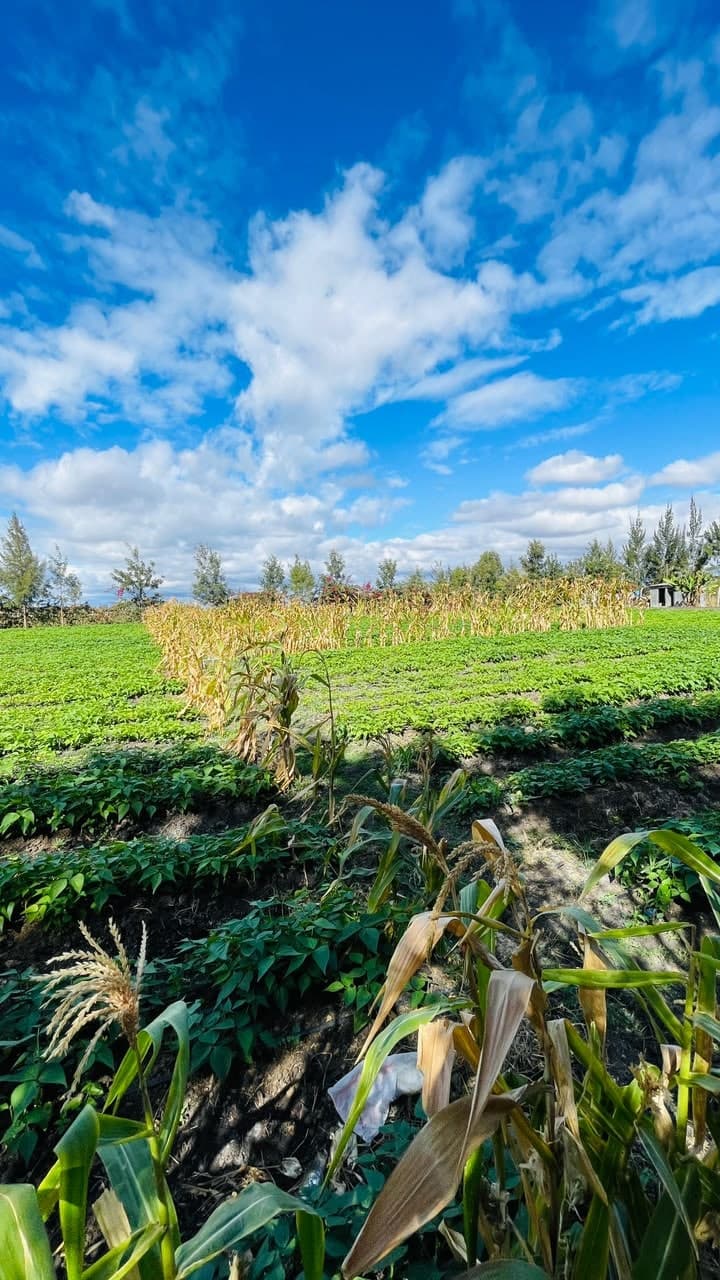
Grazing when it is there, backed by Brachiaria, Rhodes, Napier, forage sorghum and legumes, and by hay and silage when it is not.
Grown here
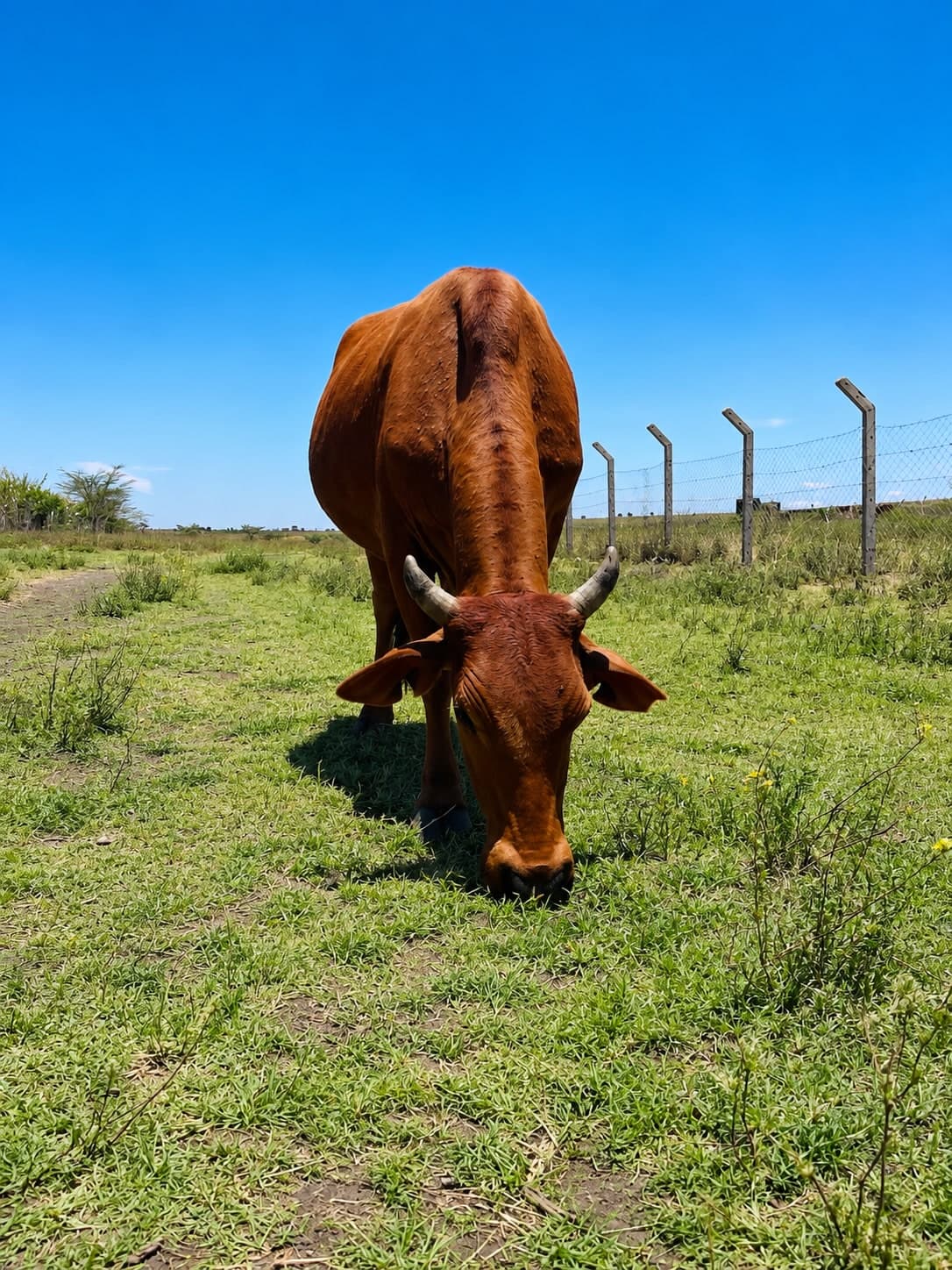
More feed first. More animals afterwards. A farm that widens only as fast as the land under it can carry.
The road ahead
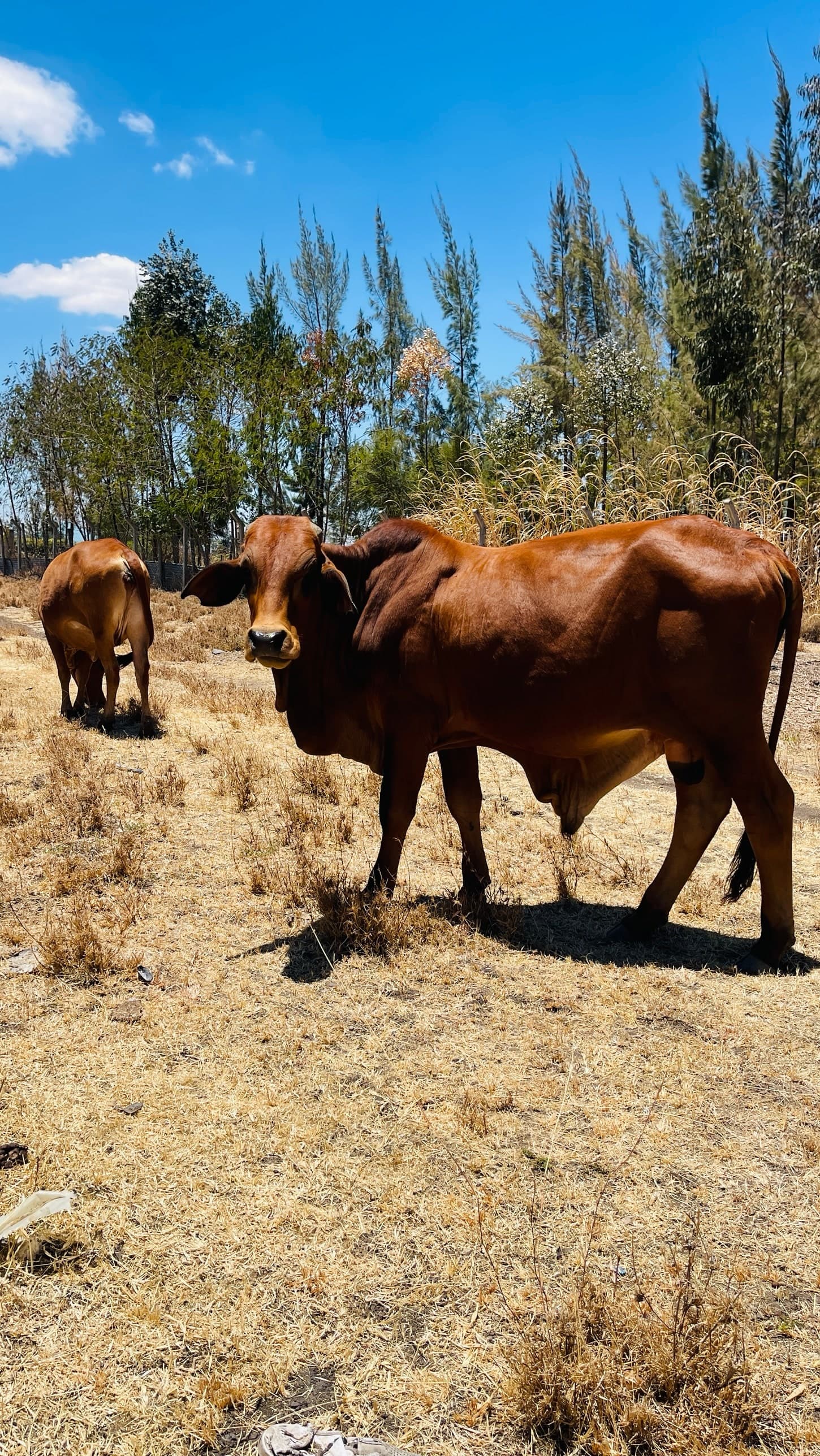
Some animals stay for good and become the herd. Most move through: born or bought, grown on, finished and sold at the gate. Nothing leaves before it is ready.
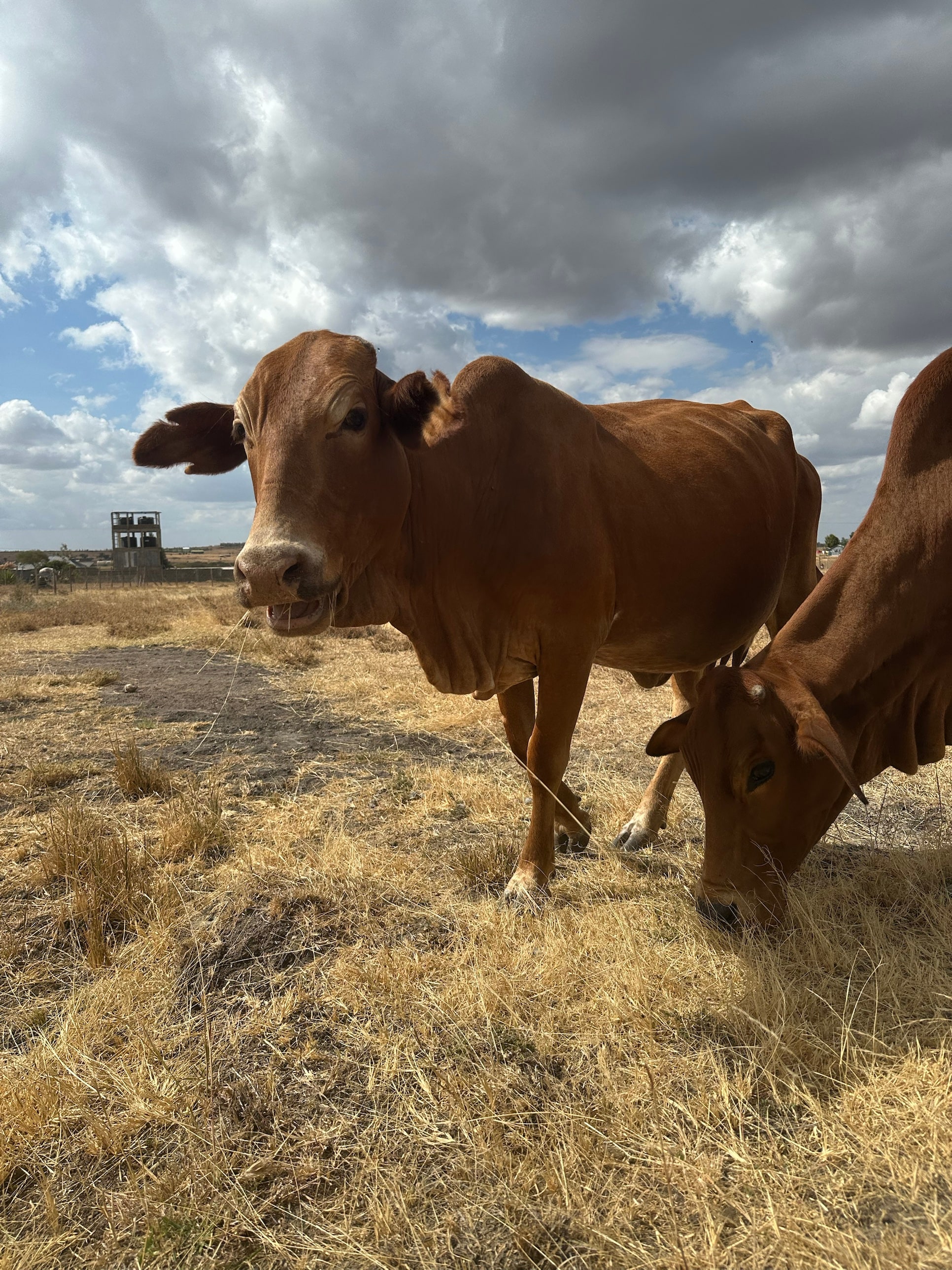
“We grow the feed before we grow the herd.”
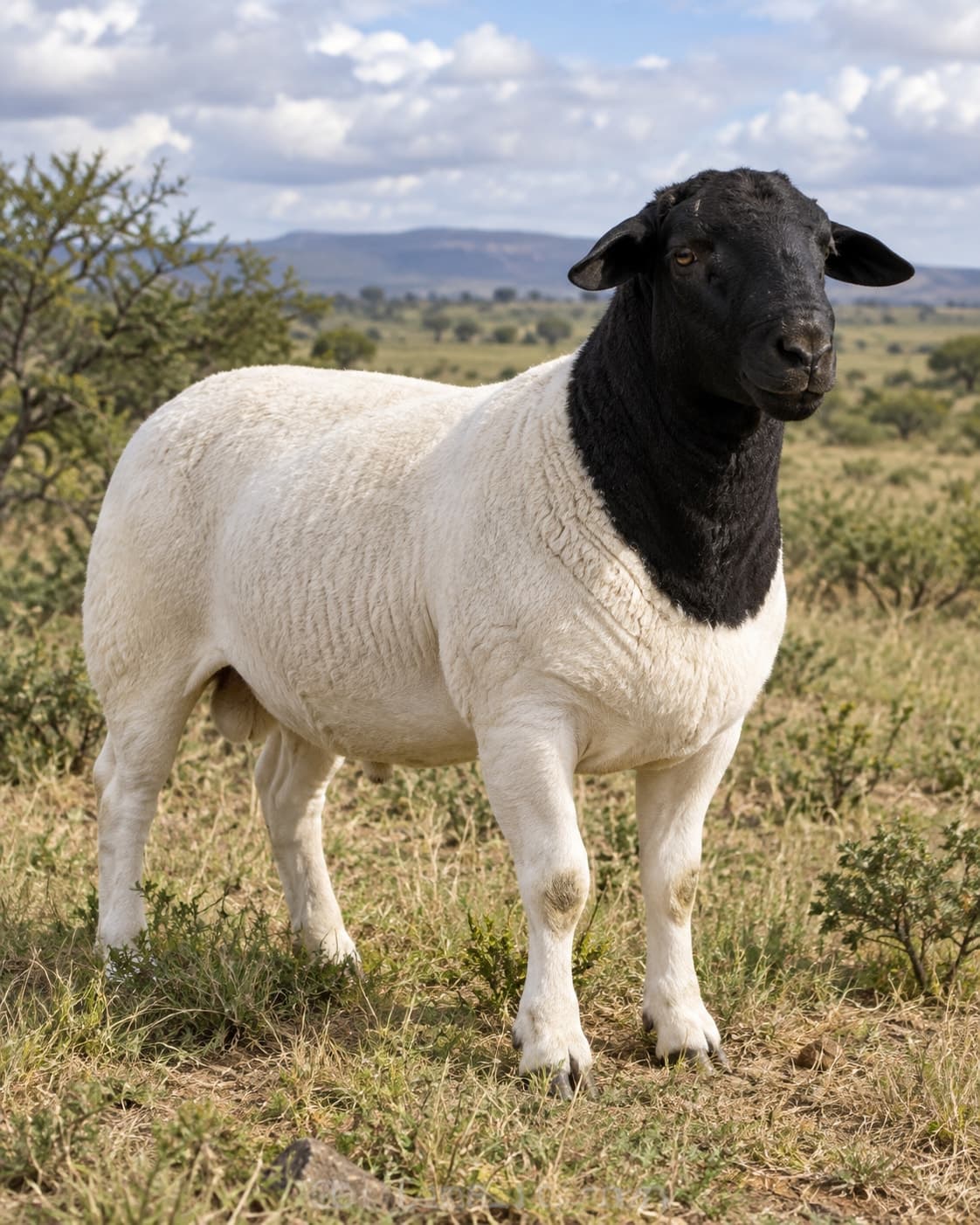
What went up, what came home, what the rain did. Now and then, from the people doing the work.