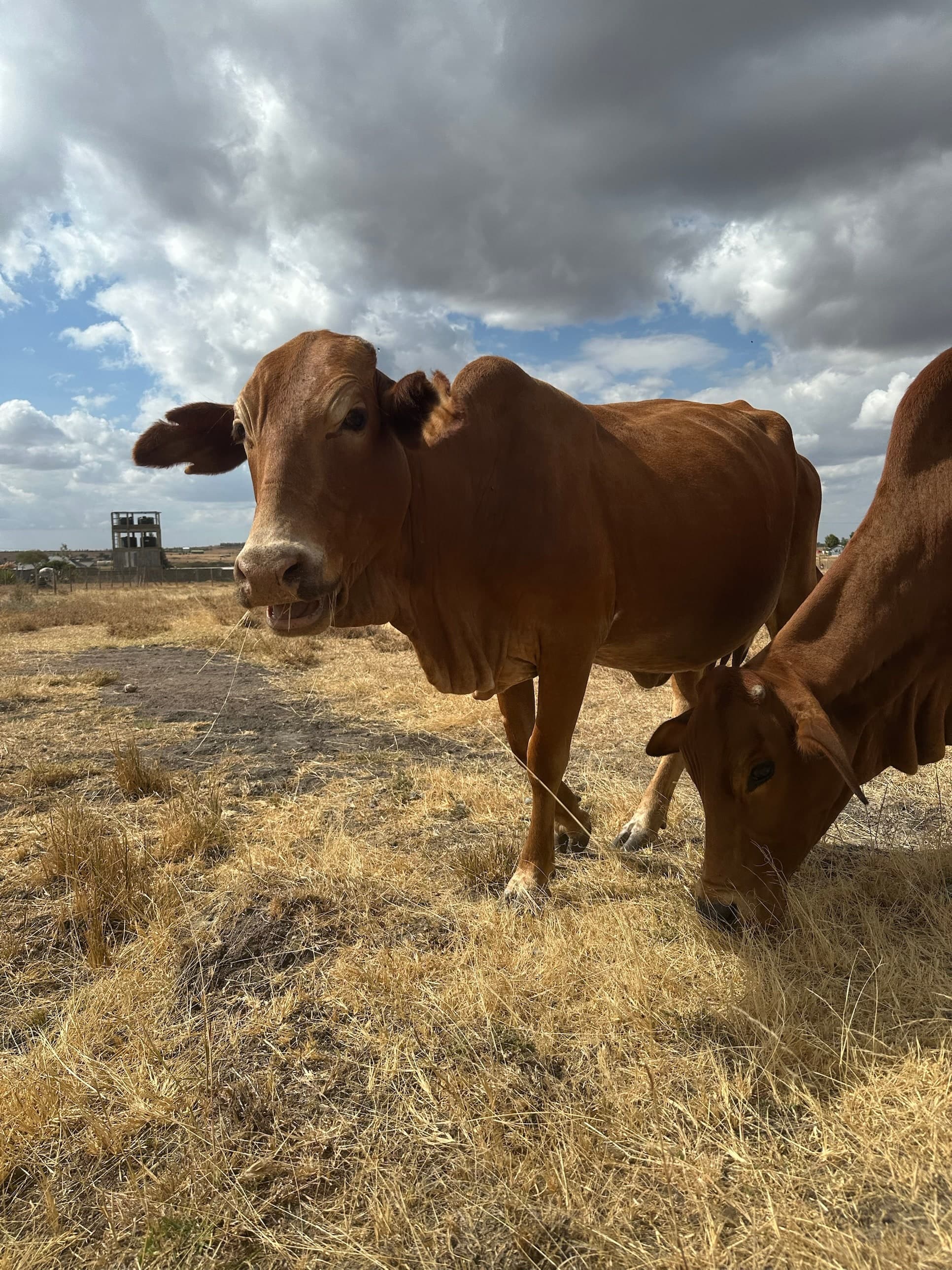
Cattle night yard
A dry, fenced resting area on compacted hardcore and murram, with a roofed end for shade and rain and a feed face along one side.
- For
- Rest, feeding and a safe night for the cattle
- Built from
- Hardcore, murram, eucalyptus and mabati
The Farm
2.17 acres at Isinya: the permanent headquarters of a livestock farm, the night base the animals return to, and the store the feed comes back to.
The ground
Black cotton soil: rich, heavy clay that swells when it is wet and cracks open when it is dry. It grows good grass and destroys careless foundations, so everything permanent stands on a raised, drained pad.
The work
Water, feed and a safe night for the herd; fodder grown, cut and stored; manure gathered every morning and returned to the land as compost.
The next step
More land for feed: a fodder and support farm of around ten acres, then leased fodder blocks as the herd grows into them.
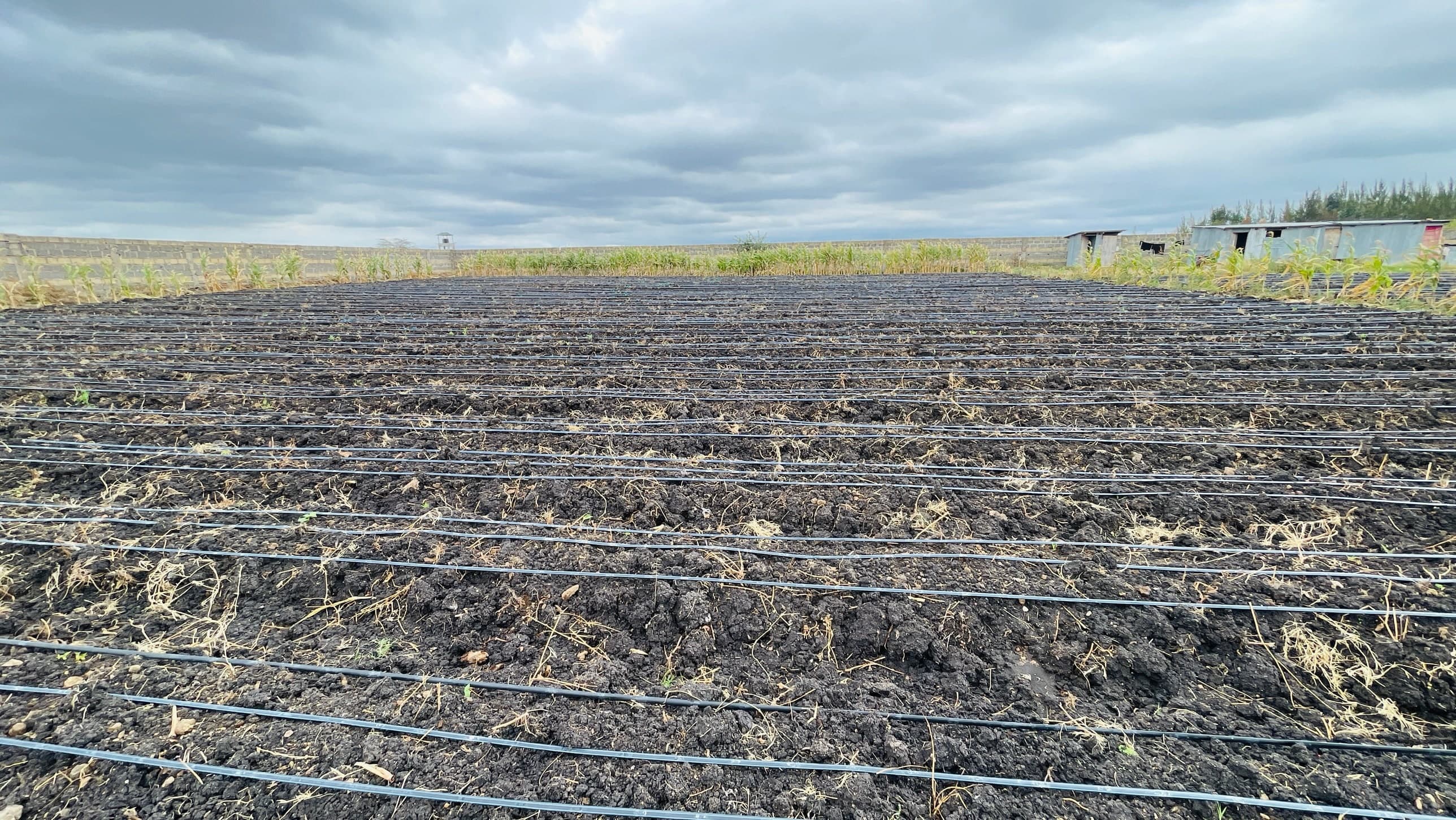
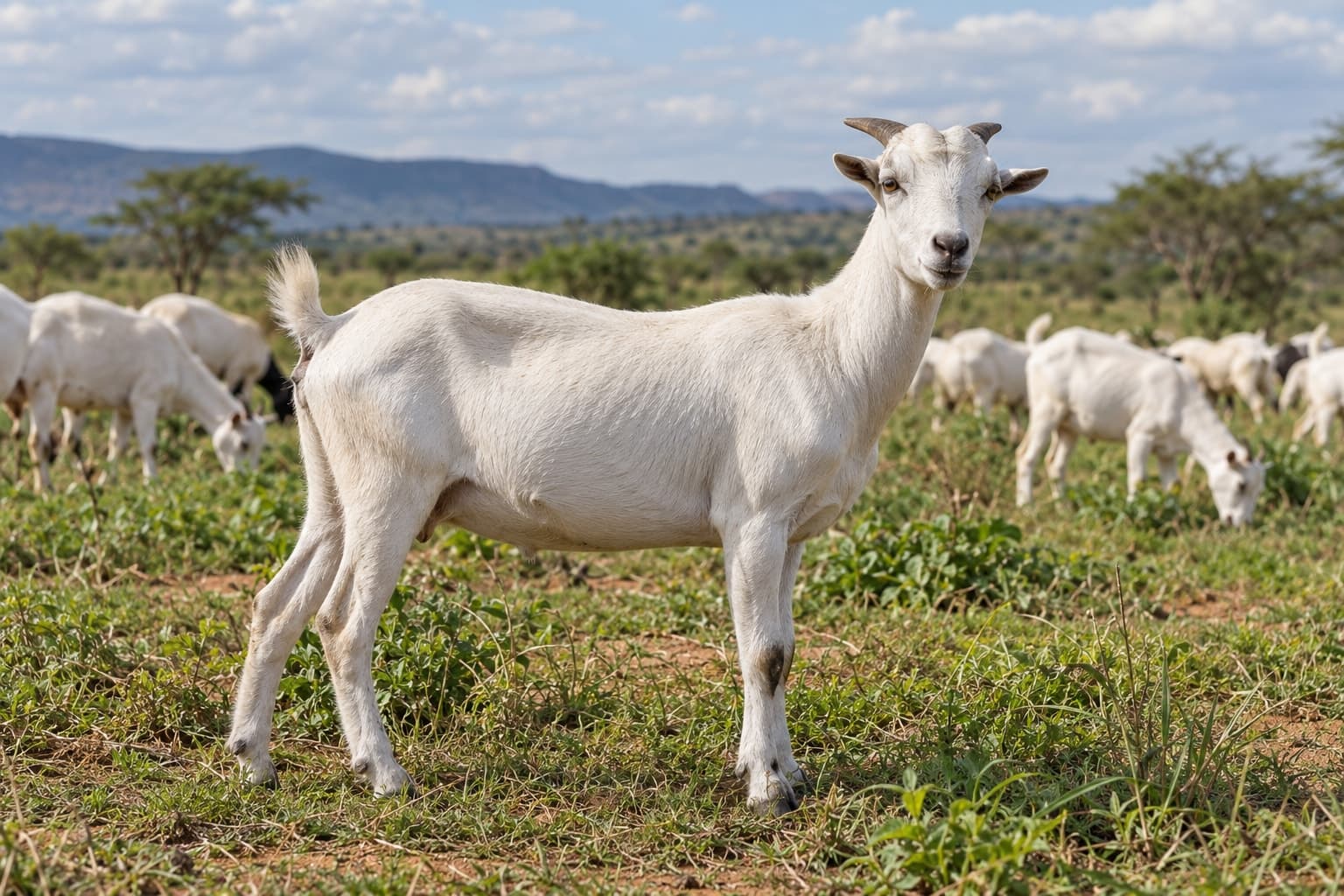
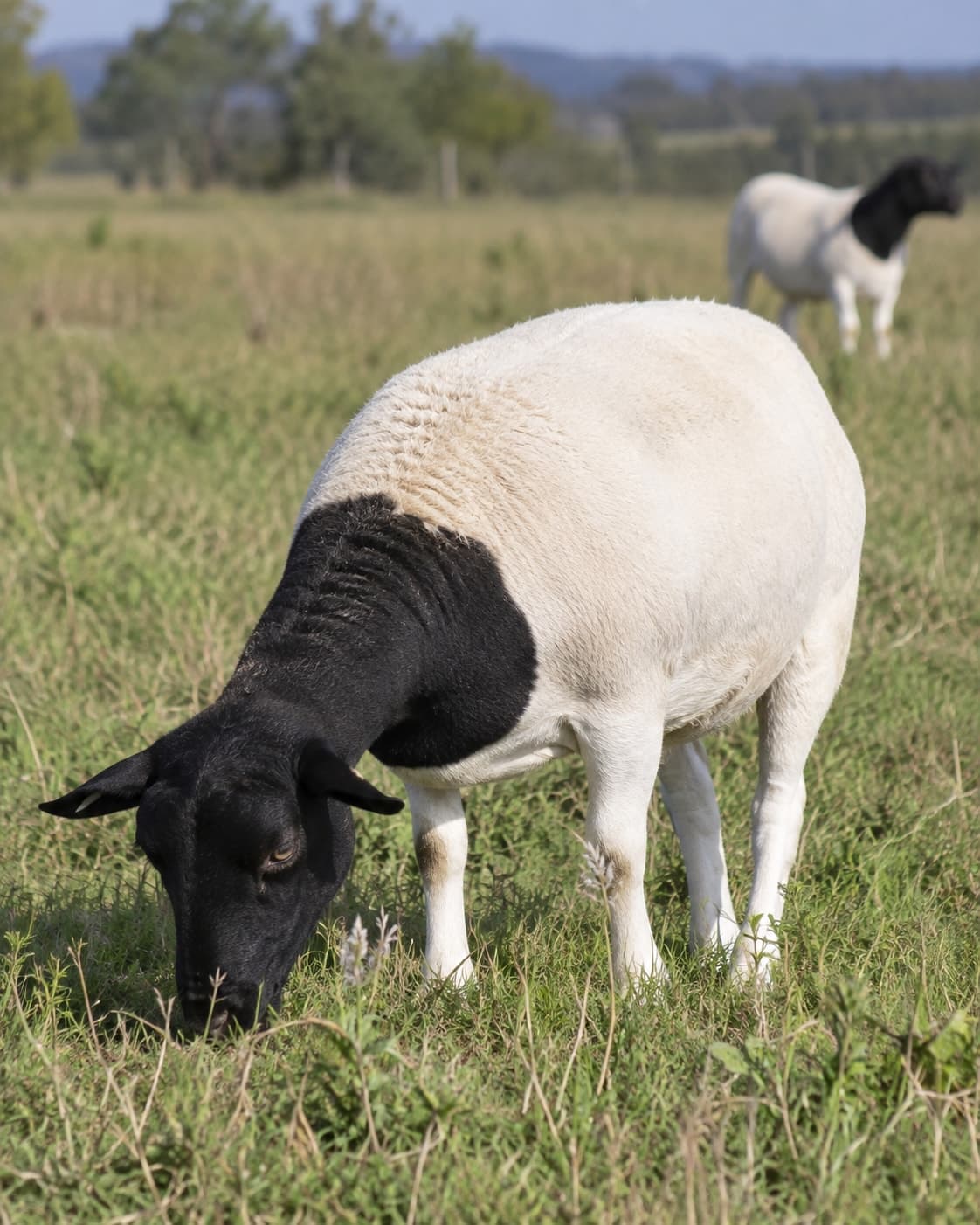
Each part of the home farm serves one moment in an animal’s day or one stage in its life. None of it is ornamental, and all of it is built to be hosed, mended and moved.
A dry, fenced resting area on compacted hardcore and murram, with a roofed end for shade and rain and a feed face along one side.
Open sided shelters with low mabati barriers against the wind, timber rails and raised, drained floors. Goats and sheep penned apart so they can be fed and managed as what they are.
Storage tanks filled from the water source and from every roof that can be guttered, feeding durable troughs set on concrete where the ground takes the most wear, and drip lines out to the fodder blocks.
Food grade plastic drums cut lengthwise and mounted at the right height for each animal. Cheap to make, easy to scrub, and quick to replace.
A dry mabati roof on eucalyptus posts, bales stacked off the ground on pallets, sides open enough for air and closed enough against driving rain.
Pits or sealed tubes for chopped Napier and forage sorghum, sited on firm, drained ground close to the feed face.
Quiet, clean, bedded pens for does, ewes and cows close to giving birth, where they can be watched without being disturbed.
Separate pens for kids, lambs and calves, so they can be fed, weighed and watched while their mothers go out.
A pen well apart from the rest, downwind and down slope, where every animal that arrives spends its first weeks before it joins the herd.
A timber race and crush, with sorting gates, for inspection, treatment, weighing and loading, so that handling an animal is quick, calm and safe for everyone.
A covered, raised floor for chopping, mixing and measuring, where bought in concentrate, home grown fodder and minerals become the evening ration.
Pens scraped every morning, manure stacked and turned under cover, and the compost carted back out to the fodder blocks.
The animals spend their days grazing and browsing on permitted land, and come home to the headquarters every evening. This is the day the whole farm is organised around.
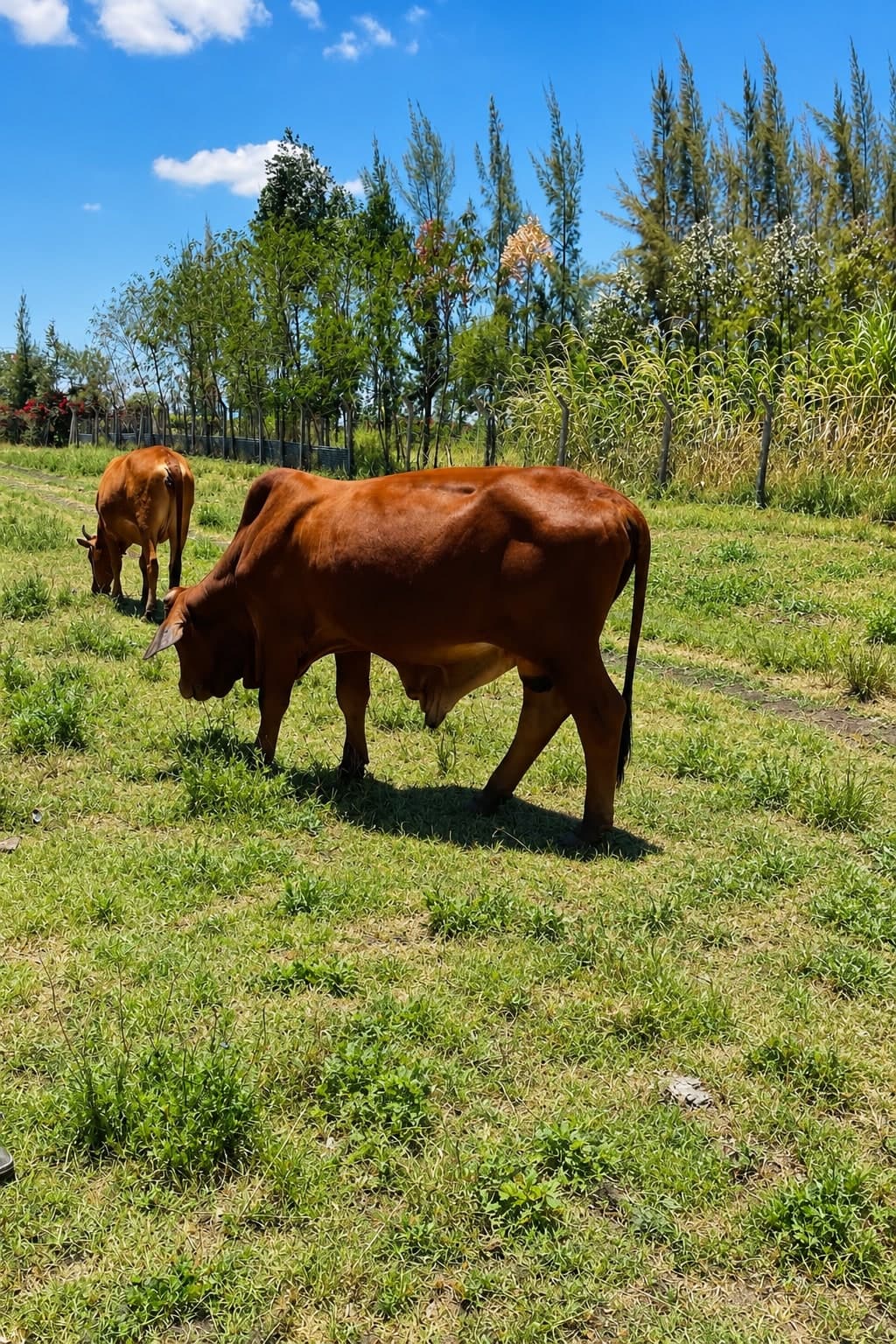
Every pen walked and counted. Anything lame, off its feed or about to give birth is spotted before the gates open.
The milking females are milked where there is milk to take, and their young fed before the day starts.
The herd walks out with a herder to the day’s grazing and browse. Young stock, heavily pregnant females and anything under treatment stay at home.
Pens scraped, manure onto the heap, troughs scrubbed, feeders refilled, and the evening ration mixed.
Back along the track before the light goes. It is the part of the day everything else is organised around.
Straight to the troughs. On a dry day, this is what the whole walk home is for.
Supplementary feed, hay or silage according to the season, with minerals and salt always available.
Feet, eyes, coats and condition, and a look at every animal that stayed at home.
Females sorted, sires kept where they belong, anything in season or close to birth moved to the right pen.
Young stock back with their mothers where they should be, gates checked, and everything secure for the night.
Times shift with the season and the light. The order does not.
Simple, practical construction suited to Isinya: materials that are local, repairable and right for a hot, dry, windy place with heavy clay underfoot. Resourceful, not cheap: the money goes where wear, water and hygiene demand it, and nowhere else.
Frame and roof
Pens and gates
Ground and water
Black cotton soil moves with the seasons. Every permanent structure sits on a raised pad with the water led away from it, and footings are taken down below the layer that swells and shrinks.
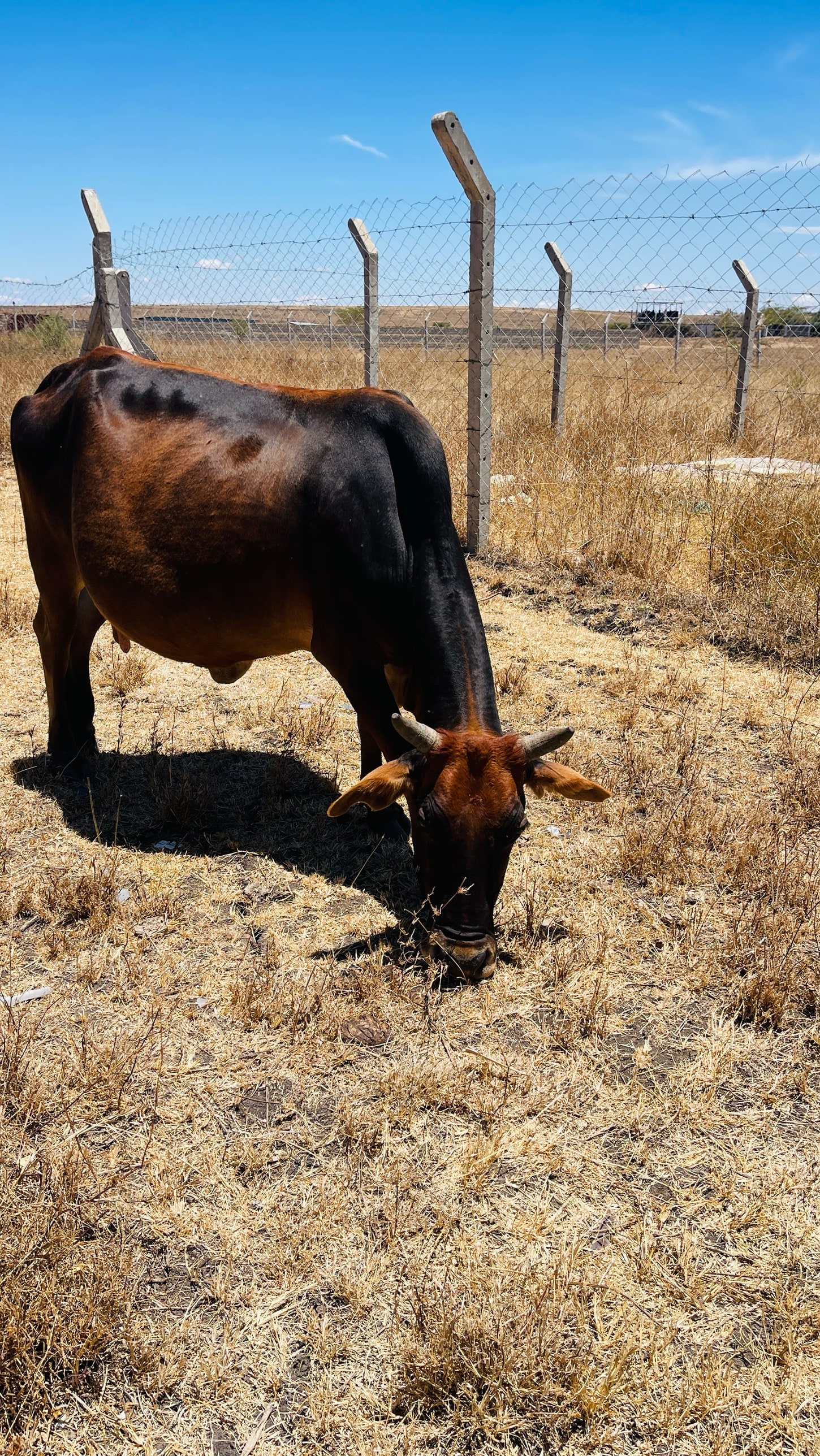
The feed store comes before the herd.
The headquarters does not feed the whole herd on its own, and it is not meant to. The farm widens in a fixed order, and only when the feed and the animals have earned the next step.
2.17 acres, owned. Water, night housing, feed storage, young stock, breeding control and the manure that goes back out as compost.
Owned · runningAround ten acres bought nearby, mostly for growing feed (grass for hay, Napier and sorghum for silage, legumes for protein) and for the room a growing herd needs.
The next purchaseLong term leases on 5 to 10 acre blocks to start with, then more as the herd grows into them. Leased land is for feed; the animals still come home at night.
As the herd growsDay grazing and browse on land where the farm has permission to be, walked out in the morning and home by evening.
Every dayTangama Farms is owned by Mohamed Siraj and Fatoumata Pethe. Andrew works on the farm.
Mohamed Siraj
Owner
Fatoumata Pethe
Owner
Andrew
Farm worker
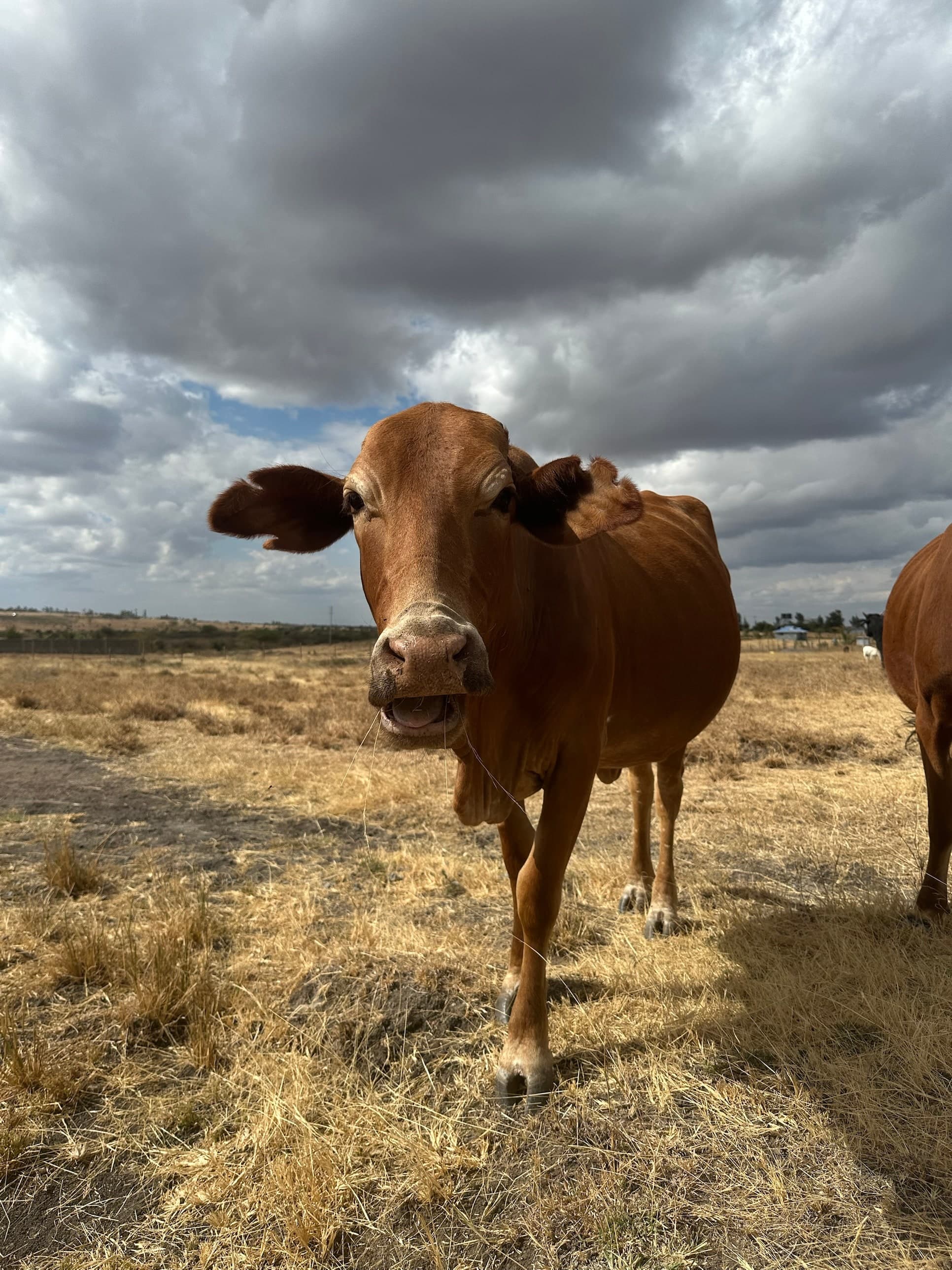
The herd, the feed, the building and the weather, written down as it happens, including the parts that go wrong.