Tangama FarmsIsinya · Kajiado, home
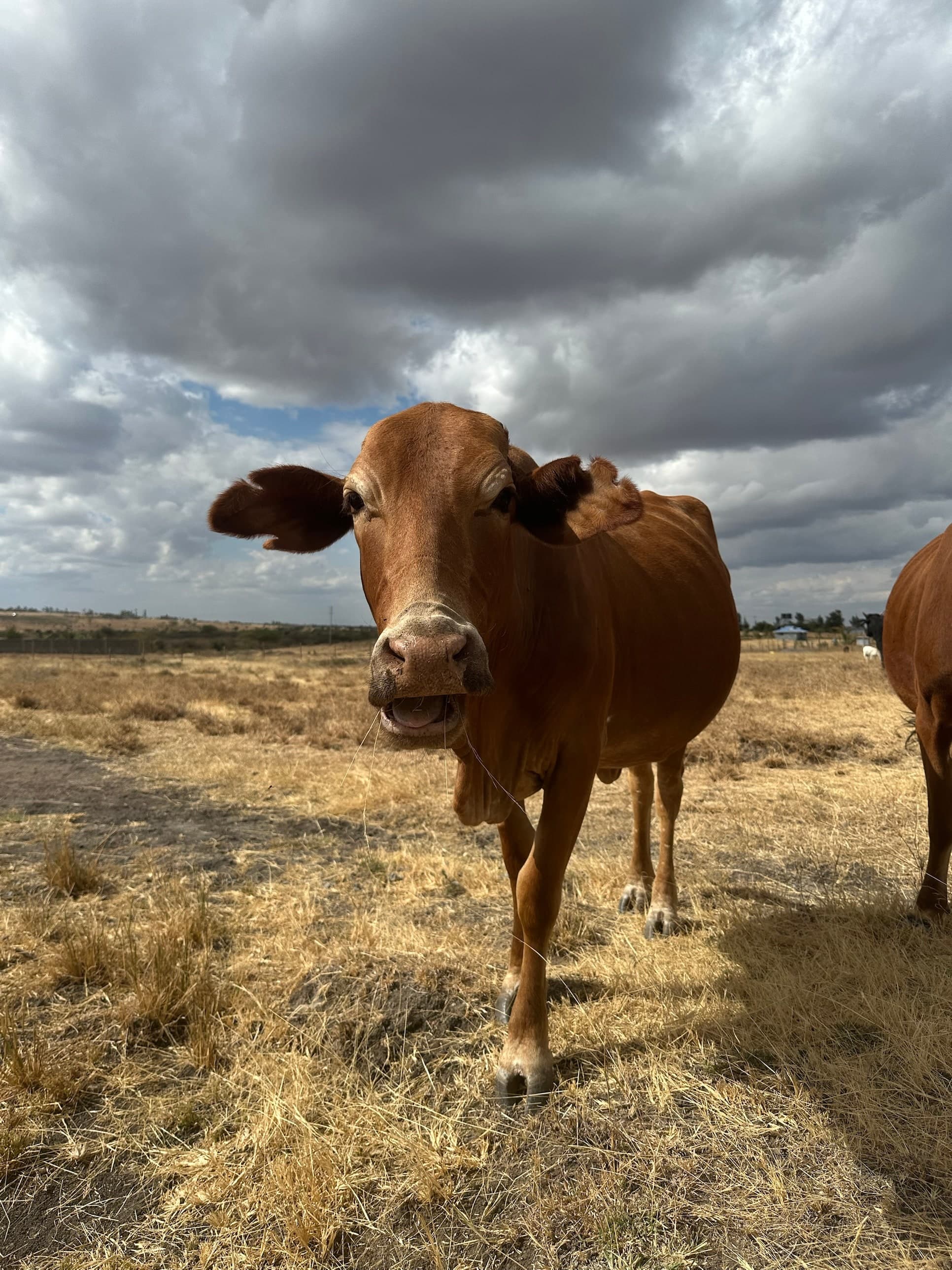
A young red zebu heifer walking toward the camera across dry grass, dark cloud building over the plains behind.

Growing the Farm

The road ahead

Five years from a 2.17 acre base to a mature livestock farm, taken one step at a time, each step paid for in feed before it is paid for in animals.

Horizon
Five years
Pace
Set by the feed
Land
2.17 acres, then 10, then leased
Now
Year one

A farm grows at the speed of its feed. Every year below adds to the land and the store first, and only then to the herd.

Five years, no leaps

  1. Year 1We are here

    Establish the base

    The essential housing, water, handling and feed systems, built and in use. Manageable numbers, while the farm learns its animals, its ground and its market.

    Land
    The 2.17 acre headquarters
    Feed
    First fodder blocks; first hay
    Herd
    A small founding group of each
  2. Year 2

    Build the breeding nucleus

    Keep the best females, improve the breeding stock, grow more feed, and start conserving hay and silage in quantities that matter.

    Land
    Headquarters, fully worked
    Feed
    Meaningful hay and silage reserves
    Herd
    Growing from retained daughters
  3. Year 3

    Expand the feed base

    Additional fodder land begins supporting stronger herd growth. Finishing becomes regular and breeding numbers rise.

    Land
    The ten acre fodder farm
    Feed
    Silage and hay from dedicated ground
    Herd
    Breeding numbers rising; regular finishing
  4. Year 4

    Scale what works

    Larger breeding groups, larger finishing batches, more stored feed, and stronger farm gate markets, built on what the first three years proved.

    Land
    First long term fodder leases
    Feed
    Larger stores; more mixed at home
    Herd
    Larger breeding groups and batches
  5. Year 5

    A mature livestock farm

    A substantial Galla, Dorper and cattle operation, supported by owned land, leased fodder land and external grazing.

    Land
    Owned, leased and grazed
    Feed
    A full year of reserves on hand
    Herd
    Approaching long term scale
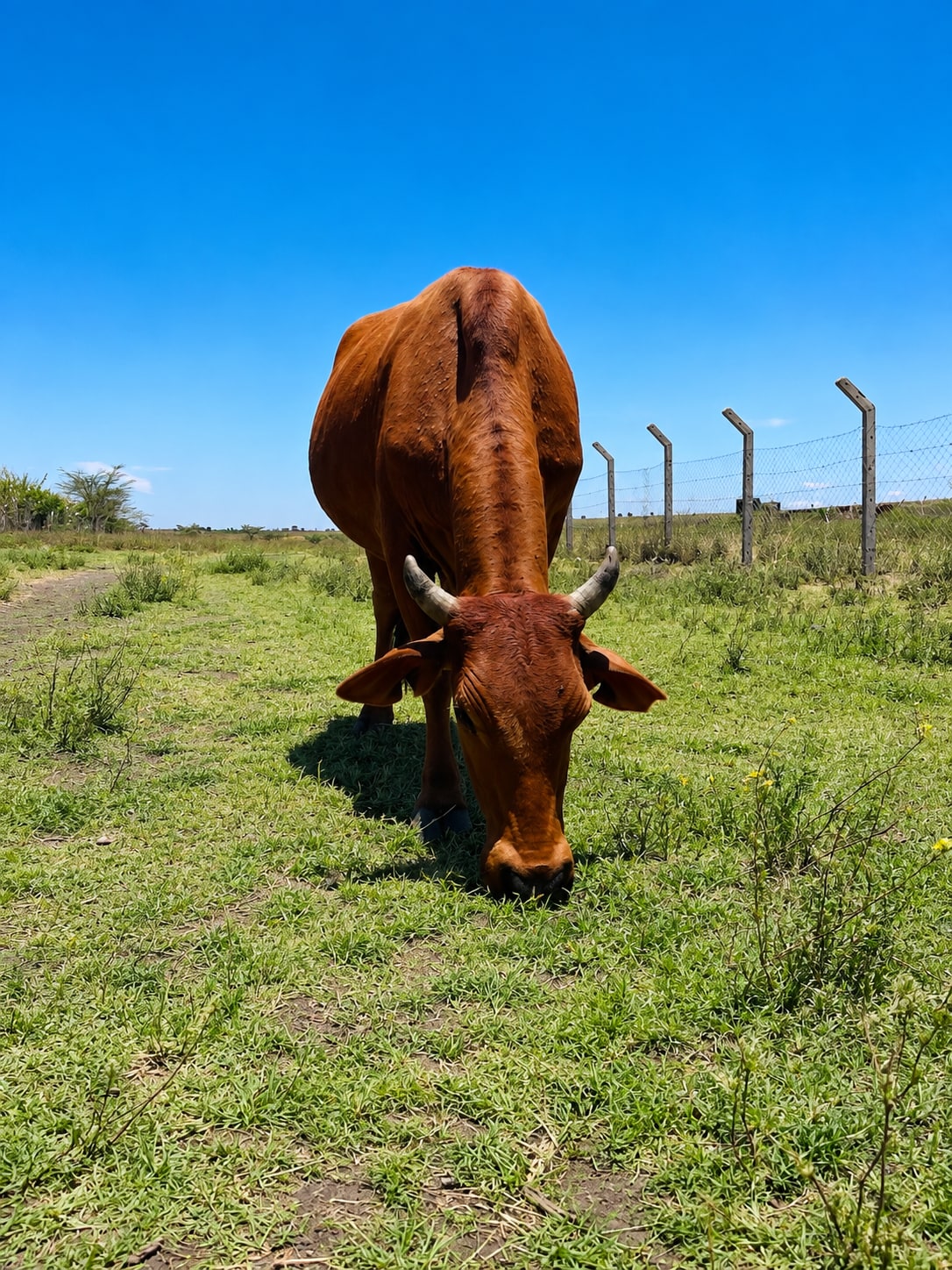
A red horned cow grazing short green grass beside the concrete post and chain link boundary fence under a clear blue sky.

More feed first. More animals afterwards.

How the farm grows

Where it could lead

These are long term scale ambitions, not current numbers. Whether the farm reaches them depends on feed, land, water, staffing and performance, in that order.

500 to 1,000
Galla goats
500 to 1,000
Dorper sheep
100 to 250
Cattle

Ambition, not stock · Reached only if the feed is there first

Five things decide how fast

  1. Feed

    No new animals until there is feed standing and stored for them.

  2. Land

    Owned for the base, bought for fodder, leased as the herd grows into it.

  3. Water

    Enough for the dry season at the herd size planned, not the one on hand.

  4. People

    Good herders and stockmen, trained and kept. Animals are only as well kept as the people keeping them.

  5. Performance

    Fertility, growth and survival, measured honestly. Grow what the numbers support.

Read it as it happens

The journal records each step as it is taken: what went up, what came home, and what we got wrong. This page is updated as each year is lived rather than planned.