The evening return
The whole headquarters is laid out around one hour of the day: the herd walking home, drinking, eating and being shut in.
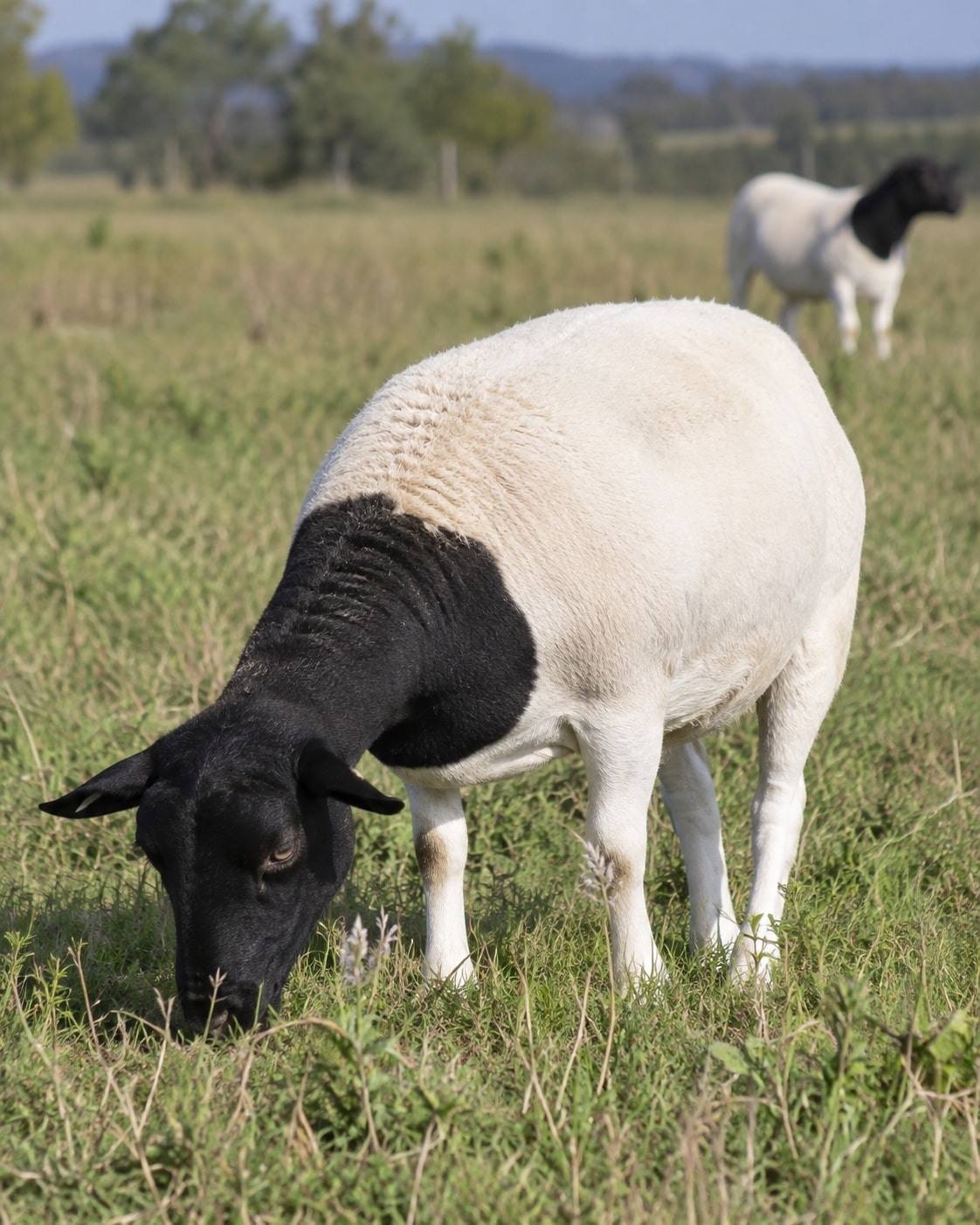
The headquarters at Tangama Farms is 2.17 acres, and it does not feed the whole herd on its own. It is not meant to. By day the animals are out on permitted grazing. What the home farm is for is the evening, and so the whole layout is built around one hour of the day.
Walk it through
Every decision about where things go on the home farm comes from walking the evening through, from the moment the herd appears on the track to the moment the last gate is shut.
The herd comes in tired and thirsty. So the first thing it reaches is water: troughs close to the gate, with enough room at them that the shy animals drink too.
From water, straight to feed. The feeders sit along the path from the troughs to the pens, so the evening ration is on the way home rather than a detour from it. Minerals and salt are there every night, in every season.
Then the looking
The evening is the best time to see an animal properly. It has walked, so a limp shows. It has eaten, or it has not. The handling race sits where the flow naturally narrows, so any animal that needs a closer look can be turned into it without stopping the rest.
Then the sorting
Breeding control is mostly a question of who spends the night where. Sires are kept apart until they are wanted. Females close to giving birth go to the maternity pens. Young stock that stayed home all day are reunited with their mothers where that is right, and kept apart where it is not. The gates are placed so that one person can do all of it.
Then the night
Secure pens (goats and sheep separately, cattle in their own yard) on dry, raised ground. And in the morning, before the herd goes out again, the pens are scraped and the manure goes onto the compost heap, which is the last stop on the loop and the start of next season's feed.
Water, feed, look, sort, shut in. Everything on the home farm is placed somewhere along that line.
What we would tell ourselves
Plan the day before you plan the buildings. The buildings are only there to make that one hour quick, calm and safe, for the animals and for whoever is bringing them home.